


The Science Behind Regenerative Spine Treatments: in Chalfont
Residents of Chalfont no longer need to travel far for cutting-edge spine care. Chronic back pain affects countless individuals in our community, from busy professionals

Chronic Pain Relief: Is Regenerative Medicine Right For You?
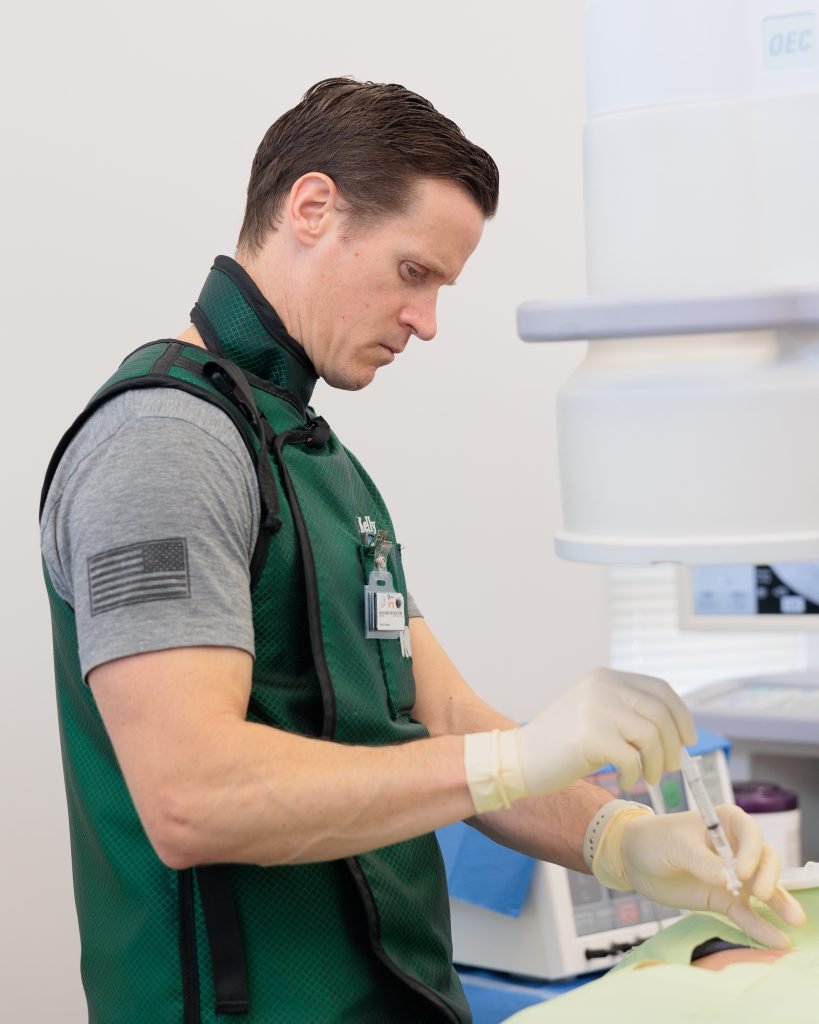
Date: Time: Event Speaker: Dr. Kelly completed his residency at Harvard Medical School and then completed a prestigious subspecialty Pain Medicine Fellowship at Cooper University

The Stages of Chronic Back Pain
Chronic back pain is a complex condition that affects millions of people worldwide. Unlike acute pain, which is typically short-lived and resolves as the body

Your Complete Guide to Back Pain Prevention: Tips, Exercises, and More
Back pain is a common issue that many of us experience at some point in our lives. Whether it’s due to an injury or chronic

Exploring the Causes of Chronic Knee Pain
Knees play a pivotal role in our everyday lives, enabling us to walk, run, jump, and perform various activities. Chronic knee pain is a condition
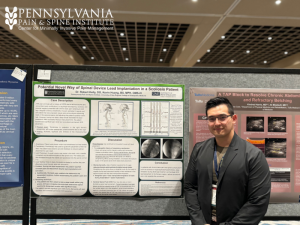
Research: Potential Novel Way of Spinal Device Lead Implantation in a Scoliosis Patient
Research Collaboration between Pennsylvania Pain & Spine Institute and Medical Student, Kevin Huang Pennsylvania Pain and Spine Institute oversees and collaborates on research throughout the

Thanks for posting information. I am hoping surgery will relieve pain. I am receiving accupuncture and hope a combination with physical therapy and massage therapy will help. I am also open to nerve injections or muscle relaxation shots of needed. I have shared my experiences with Penn pain with my physiatrisst at Good Shepherd Rehab spine and pain and he was happy to have info to pass along to others.
Does The Pain & Spine Institute include Interventional invasive procedures ,specifically The minimal invasive Relievant Intracept back procedure..
Attractive section of content I just stumbled upon your blog and in accession capital to assert that I get actually enjoyed account your blog posts Anyway I will be subscribing to your augment and even I achievement you access consistently fast