
Back Pain Specialists
What Causes Back Pain?
There are many various causes of back pain or referred back pain, but some of the most common origins that we find and treat are:
- Spinal Stenosis
- Sprains and Strains
- Arthritis
- Degenerative Disc Disease
- Herniated Discs
- Radiculopathy and Sciatica
- Muscle Spasms
- Piriformis Syndrome
- Scoliosis
- Spondylolysis
- Vertebral Fractures
- Failed Back Surgery Syndrome
- Myofascial Pain Syndrome
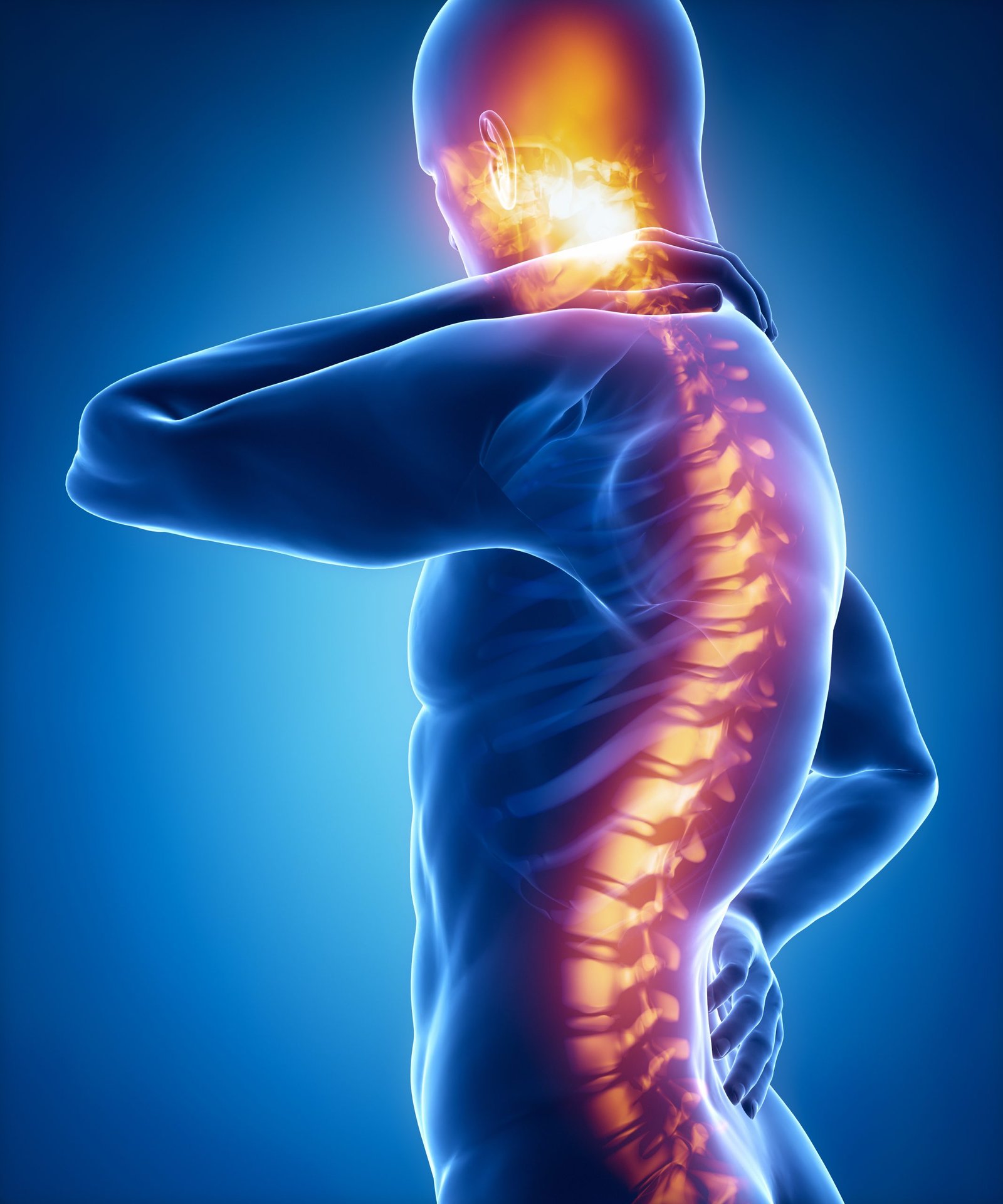
Back Pain Specialists in Chalfont & Quakertown
Signs and Symptoms of Back Pain Conditions
Back pain rarely appears without warning signs. Whether your discomfort developed suddenly from an injury or gradually from daily activities, recognizing these symptoms can help you get the treatment you need before your condition worsens.
You should seek immediate medical attention if you experience sharp, persistent back pain that doesn’t improve with rest, or if you have radiating pain from your lower back down to your leg or foot. This type of radiating pain, known as sciatica, often indicates nerve compression that requires professional treatment. Similarly, pain that travels from your neck to your arm or hand suggests cervical nerve involvement.
Numbness, tingling, or weakness in your arms, hands, legs, or feet are particularly concerning symptoms that shouldn’t be ignored. These neurological symptoms often indicate that nerves are being compressed or irritated, which can lead to permanent damage if left untreated. You may also notice difficulty bending over, rotating, or performing normal movements that were once easy.
Some patients find their pain worsens when standing, walking, or performing light activities, while only sitting or lying down provides relief. This pattern often suggests spinal stenosis or other structural problems. Muscle tightness, spasms, or stiffness frequently accompany back pain, as your body tries to protect the injured area by limiting movement.
Certain symptoms require emergency medical care. If you experience loss of bladder or bowel control, severe pain following a fall or accident, back pain accompanied by fever, progressive weakness in your legs, or difficulty with balance and coordination, you should seek immediate emergency treatment.
What Causes Back Pain?
The spine is a complex structure of bones, muscles, ligaments, and nerves that work together to support your body and enable movement. When any component is injured or degenerates, it can result in significant pain and disability. Understanding the various causes of back pain helps our specialists develop targeted treatment approaches.
Spinal stenosis occurs when the spinal canal narrows, putting pressure on the nerves that travel through it. This condition often develops gradually and causes pain that worsens with walking or standing. Herniated discs happen when the soft center of a spinal disc pushes through its outer ring, potentially pressing on nearby nerves and causing intense pain. Degenerative disc disease involves age-related wear and tear of the spinal discs, leading to reduced cushioning between vertebrae
Radiculopathy and sciatica result from nerve compression, causing pain that radiates along the path of the affected nerve. Arthritis can affect the joints in the spine, causing inflammation and stiffness that limits movement. Spondylolysis involves stress fractures in the vertebrae, often seen in athletes or people who perform repetitive back motions.
Scoliosis creates an abnormal curvature of the spine that can cause pain and breathing difficulties in severe cases. Vertebral fractures, whether from trauma or osteoporosis, can cause sudden, severe pain and require immediate attention. Failed back surgery syndrome occurs when patients continue to experience pain following spinal surgery, often due to scar tissue formation or incomplete healing.
Soft tissue problems also contribute significantly to back pain. Sprains and strains involve injured ligaments or muscles, typically from sudden movements or overexertion. Muscle spasms create involuntary contractions that can be extremely painful and limiting. Piriformis syndrome occurs when the piriformis muscle compresses the sciatic nerve, causing pain that mimics disc problems. Myofascial pain syndrome involves chronic pain in muscle trigger points that can refer pain to other areas.
Who is at Risk for Back Pain Related Conditions?
While back pain can affect anyone at any age, certain factors significantly increase your risk of developing chronic spinal conditions. Understanding these risk factors can help you take preventive measures and seek early treatment when necessary.
Age naturally increases your risk as the muscles and connective tissues in your back become less flexible and more prone to injury over time. The spine itself undergoes degenerative changes, including disc compression and joint wear, which can lead to chronic pain conditions. However, age alone doesn’t guarantee back problems, and many older adults maintain healthy, pain-free spines through proper care.
Lifestyle factors play a crucial role in back health. A sedentary lifestyle with prolonged sitting weakens the muscles that support your spine and increases pressure on spinal discs. Poor posture habits, whether from desk work or daily activities, create imbalances that stress certain parts of your spine while weakening others. Lack of regular exercise and core strength leaves your spine without adequate muscular support.
Obesity or excess weight puts additional stress on your spine, particularly the lower back, accelerating wear and tear on joints and discs. Physically demanding occupations involving heavy lifting, repetitive motions, or prolonged standing increase injury risk, especially when proper body mechanics aren’t used. Previous back injuries or surgeries can create weakness or instability that predisposes you to future problems.
Smoking significantly impacts spinal health by reducing blood flow to spinal tissues, impairing healing, and accelerating disc degeneration. High stress levels contribute to muscle tension and can worsen pain perception. Poor sleep quality affects your body’s ability to heal and repair tissues, while also lowering your pain threshold.
Certain medical conditions also increase back pain risk. A family history of spinal conditions suggests genetic predisposition to disc problems or spinal deformities. Osteoporosis weakens bones and increases fracture risk, while autoimmune conditions like rheumatoid arthritis can affect spinal joints and surrounding tissues.
Our Comprehensive Approach to Back Pain Diagnosis
Back Pain Treatments
Treatments can vary based on pain origin and other related conditions, but in general some of our minimally invasive, effective back pain treatments are listed below.
01.
Spinal Injections
Spinal injections, such as an epidural, are done under fluoroscopy guided imaging for accuracy and inject anesthetics or anti-inflammatory medications near the affected nerve area(s) for inflammation reduction and pain relief.
*This is done outpatient and does not require anesthesia.
02.
Nerve Blocks
Nerve blocks are fluoroscopy guided injections that target specific clusters of nerves associated with the area of pain with a ‘blocking’ or numbing medication to help stop or block the pain sensations sent throughout that area of the body.
*This is done outpatient and does not require anesthesia
03.
Radiofrequency Ablation
This minimally invasive procedure utilizes fluoroscopy guided imaging to target the medial or lateral branch nerves that are sending pain signals from various joints. The needle tips are placed in these areas and are connected to electrodes to pass small amounts of electrical currents and heat that target the nerves to allieviate the nerve sensations.
*This is done outpatient and does not require anesthesia.
04.
Muscle + Tendon Injections
Muscle and tendon pain/inflammation is treated using trigger point injections which inject a small amount of anesthetic or steroid medication for pain relief. Tendon pain is often treated by ultrasound guided injections with pain-blocking medications for localized relief.
*This is done in clinic and is similar to receiving a normal shot at a doctor’s office.
05.
Spinal Cord Stimulation
This mini-surgical procedure is done on a trial basis prior, and it is aimed at providing consistent nerve pain control and relief. Electrical leads are placed into the epidural space of the spine to trigger various pulsations to the surrounding nerves in various ways to provide relief and promote mobility. These pusling sensations are controlled via a blue tooth remote and have the ability to be adjusted as needed.
*This is done outpatient and does not require anesthesia.
06.
Regenerative Therapies
In the event that tissue, cells, or nerves are damaged some regenerative therapies can be effective in the rebuild and regrowth of the damaged area. Utilizing your own healthy blood or donated cells to inject damaged areas help to accelerate the repair process.
*This is done outpatient and does not require anesthesia.
07.
Minimally Invasive Lumbar Decompression (MILD)
This minimally invasive procedure is used to treat Spinal Stenosis. It is performed in a surgery setting with a tiny incision to remove the stenosis and open up the spinal canal to provide relief.
*This surgical procedure requires no general anesthesia.
08.
Intrathecal Pump Therapy
This minimally invasive procedure is surgically performed to place a programmed pump with pain medication into the back in order to consistently control the pain when other therapies have not worked.
*This surgical procedure requires no general anesthesia.
09.
Kyphoplasty
This surgical procedure treats Vertebral Compression Fractures through careful expansion and stabilization of the spine’s vertebra.
*This surgical procedure requires no general anesthesia.
10.
Medication Management
In conjunction with other treatments, medication can be a helpful tool in managing pain. Medications such as anti-inflammatory, steroids, medical marijuana, etc. may be options depending on your condition.
When Should You See a Doctor?
Knowing when to seek medical care for back pain can be challenging, as some pain is normal and resolves on its own while other pain signals serious problems requiring immediate attention.
You should seek immediate emergency medical attention if you experience sudden onset of severe back pain following trauma, back pain accompanied by fever, chills, or signs of infection, loss of bladder or bowel control, progressive weakness in your legs, or numbness in your groin or genital area. These symptoms can indicate serious conditions that require urgent treatment to prevent permanent damage.
You should schedule a consultation with a back pain specialist if you have persistent back pain lasting more than a few days, pain that doesn’t improve with rest, ice, heat, or over-the-counter medications, or recurring episodes of back pain. Additionally, if your pain interferes with sleep, work, or daily activities, or if you experience numbness, tingling, or weakness in your arms or legs, professional evaluation is warranted.

Why Choose PA Pain & Spine Institute?
Our board-certified pain management specialists have extensive experience treating complex spinal conditions using the latest minimally invasive techniques. We understand that every patient’s pain is unique, which is why we take the time to thoroughly evaluate your condition and develop a personalized treatment plan that addresses your specific needs and goals.
We offer the full spectrum of conservative and interventional treatments, from simple medication management to advanced procedures like spinal cord stimulation and regenerative therapies. This comprehensive approach allows us to escalate treatment appropriately, always trying the least invasive options first while having more advanced treatments available when needed.
Our state-of-the-art facility features the latest diagnostic and treatment technologies, including fluoroscopy guidance systems, ultrasound imaging, and advanced neuromodulation equipment. We invest in cutting-edge technology because it allows us to provide more precise, effective treatments with better outcomes for our patients.
Take the First Step Toward Pain Relief
Don’t let back pain control your life. Our experienced team is here to help you find lasting relief and return to the activities you love. We understand how frustrating and limiting chronic pain can be, and we’re committed to helping you achieve the best possible outcome with the least invasive treatment necessary.
Contact PA Pain & Spine Institute today to schedule your comprehensive evaluation and begin your journey toward a pain-free life. Our specialists will work with you to develop a treatment plan that fits your lifestyle and helps you achieve your goals for pain relief and improved function.
