

What Are Post-Surgical Pain Conditions?
Post-surgical pain conditions refer to various types of discomfort and chronic pain that persist after a surgical procedure. While surgery often offers much-needed relief from health issues, it can sometimes lead to new challenges. These conditions affect many individuals and can significantly impact daily life. However, effective pain treatments are available to help alleviate symptoms and support recovery.
Common Post-Surgical Pain Conditions
Chronic Pain
This is pain that continues for more than three to six months after surgery. It can remain localized at the surgical site or radiate to other areas.
Nerve Sensitivity
Some patients experience heightened nerve sensitivity, which can cause sharp, shooting, or burning pain around the surgical area.
Muscle Tension and Discomfort
Surgical recovery may involve stiffness and soreness in nearby muscles, affecting your mobility and comfort.
Emotional Impact
Persistent pain can affect mental well-being, potentially leading to anxiety, depression, or emotional fatigue.
Treatment Options for Post-Surgical Pain Conditions Often Include:
- Medications: Pain relievers, anti-inflammatories, and nerve pain medications can be prescribed to manage pain. Your healthcare provider will determine the appropriate medication based on your specific condition.
- Physical Therapy: Targeted exercises and therapies can help improve mobility, reduce muscle tension, and alleviate pain.
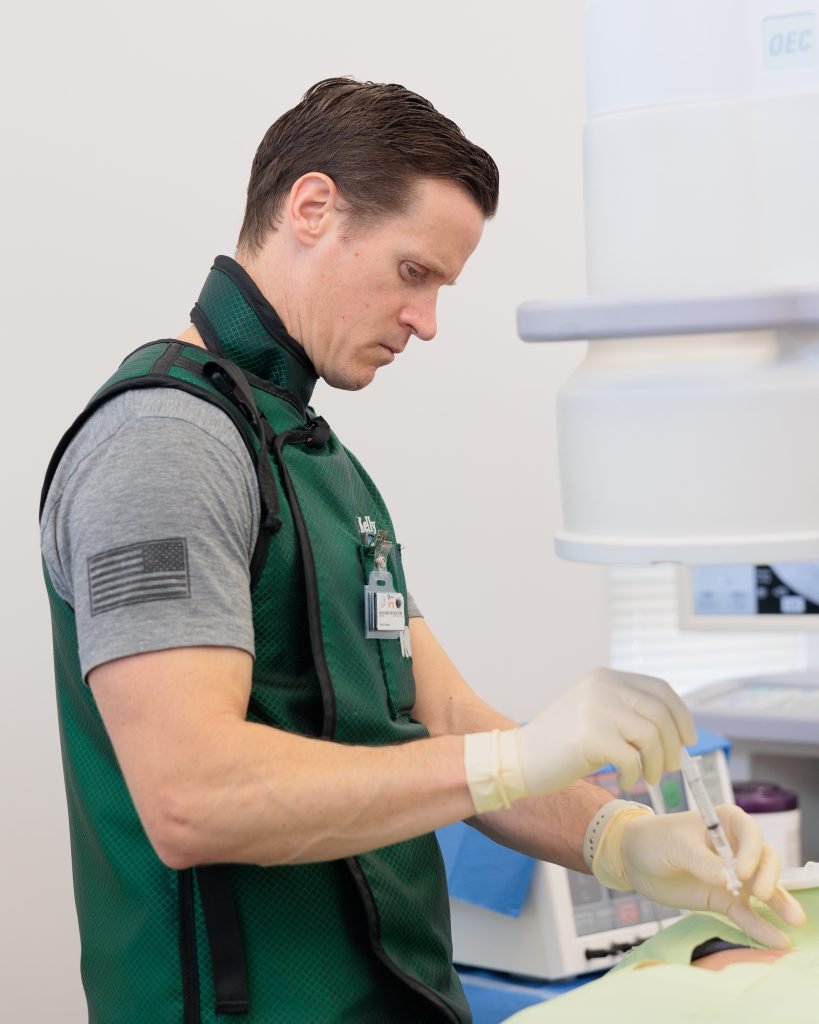
- Nerve Blocks: In some cases, injecting medication around affected nerves can provide significant pain relief.
- Trigger Point Injections: Muscle and tendon injections to release tension and spasming.

- Complementary Therapies: Techniques such as acupuncture, massage, and meditation can be used in conjunction with traditional treatments to enhance pain management.
- Spinal Cord Stimulation: For severe cases of chronic pain, spinal cord stimulation may be considered. This involves implanting a device that sends electrical impulses to the spinal cord to block pain signals.
- Supportive Care: Building a strong support system is vital. Support groups, friends, and family can provide understanding and encouragement throughout the healing process.
Personalized Care for Post-Surgical Pain
It’s important to understand that post-surgical pain treatment is not one-size-fits-all. Each individual’s experience and response to treatment can vary, so open communication with your care team is key. Your healthcare provider will work with you to adjust your treatment plan as your condition evolves.
Find Relief and Support
Post-surgical pain can feel overwhelming, but there are effective ways to manage it. With proper care, many individuals find lasting relief and are able to restore their quality of life. If you’re struggling with conditions, reach out to a pain specialist or healthcare provider to explore your treatment options.
For more information on chronic pain and treatment resources, visit Pennsylvania Pain and Spine Institute or CDC Chronic Pain Statistics.
Hot topic:
Understanding the Stages of Chronic Back Pain

The Science Behind Regenerative Spine Treatments: in Chalfont
Residents of Chalfont no longer need to travel far for cutting-edge spine care. Chronic back pain affects countless individuals in our community, from busy professionals
Chronic Pain Relief: Is Regenerative Medicine Right For You?
Date: Time: Event Speaker: Dr. Kelly completed his residency at Harvard Medical School and then completed a prestigious subspecialty Pain Medicine Fellowship at Cooper University
The Stages of Chronic Back Pain
Chronic back pain is a complex condition that affects millions of people worldwide. Unlike acute pain, which is typically short-lived and resolves as the body
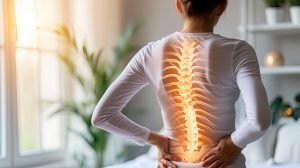
Your Complete Guide to Back Pain Prevention: Tips, Exercises, and More
Back pain is a common issue that many of us experience at some point in our lives. Whether it’s due to an injury or chronic
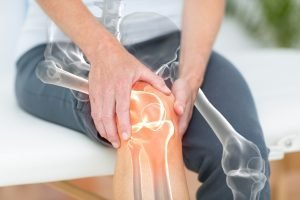
Exploring the Causes of Chronic Knee Pain
Knees play a pivotal role in our everyday lives, enabling us to walk, run, jump, and perform various activities. Chronic knee pain is a condition
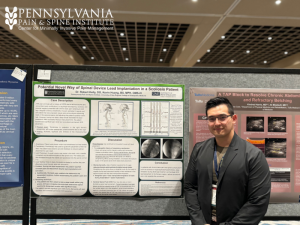
Research: Potential Novel Way of Spinal Device Lead Implantation in a Scoliosis Patient
Research Collaboration between Pennsylvania Pain & Spine Institute and Medical Student, Kevin Huang Pennsylvania Pain and Spine Institute oversees and collaborates on research throughout the


Thanks for posting information. I am hoping surgery will relieve pain. I am receiving accupuncture and hope a combination with physical therapy and massage therapy will help. I am also open to nerve injections or muscle relaxation shots of needed. I have shared my experiences with Penn pain with my physiatrisst at Good Shepherd Rehab spine and pain and he was happy to have info to pass along to others.
Does The Pain & Spine Institute include Interventional invasive procedures ,specifically The minimal invasive Relievant Intracept back procedure..
Attractive section of content I just stumbled upon your blog and in accession capital to assert that I get actually enjoyed account your blog posts Anyway I will be subscribing to your augment and even I achievement you access consistently fast